
Concord in Applelight
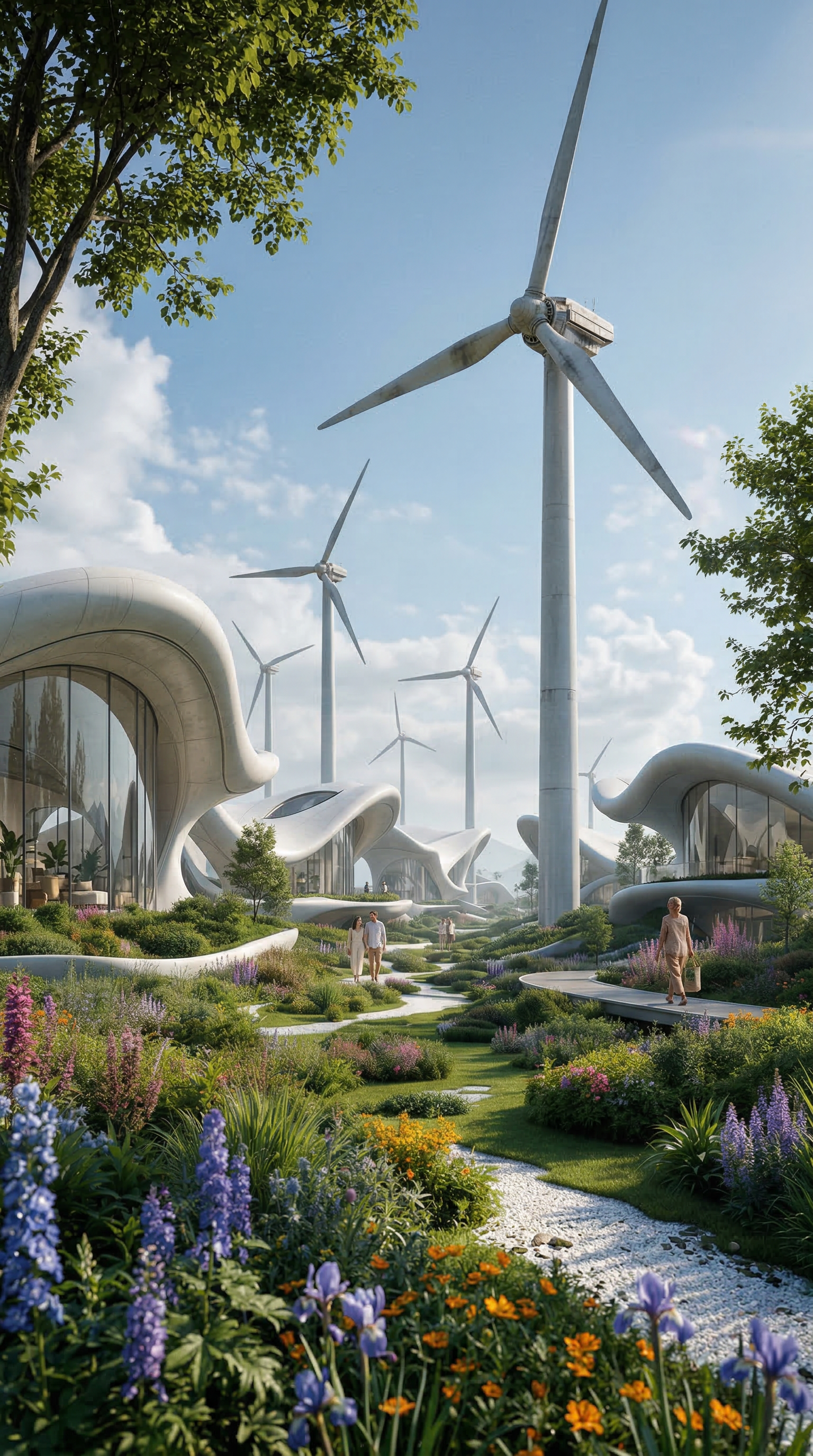
Day 5: Market Morning
The capital of Roosevelt insists on being called Concord as if the whole world still has time for ceremony. Against all reason, it earns the right.
The city’s Victorian styling should feel contrived on a frontier colony this far from Earth. Instead it feels deliberate, even affectionate. Stone facades, rail balconies, shaded walkways, public gardens—the architecture offers the people of Roosevelt what the planet itself does not always give freely: continuity.
I arrived during export season. The orchards outside the city were bright under the morning light, freight wagons and grav-haulers moving between packing stations with the kind of efficient bustle that only agricultural economies ever manage honestly. Roosevelt sells food, yes, but what it really exports is reassurance. There is something psychologically stabilizing about a world known for growing things well.
Day 7: Orchard Labor
I spent today with a family cooperative outside Concord, watching automated pickers work side by side with human crews because, as the orchard owner told me, “machines harvest volume and people harvest judgment.” Roosevelt likes that sort of sentence. The world still believes character can be encoded into labor, landscape, and municipal style if you are stubborn enough to keep trying.
The lower gravity helps the trees rise taller than they would on Earth, and the fruiting lines are denser than anything I expected. Everything here is supported by careful biosphere tuning, selective grafting, and a cold-chain network sophisticated enough to serve half the American Corridor. Yet the locals speak of the harvest less like industrial throughput and more like civic ritual.
Day 9: The Reason People Stay
Tourists come to Roosevelt for parks, museums, and the easy mythology of frontier refinement. Settlers stay for harder reasons. The world works. The export economy is strong. The communities are stable. The schools are good. The civic life is intentionally dense in the way colonies become when enough people decide that loneliness is an engineering problem rather than an inevitability.
Walking back through Concord at evening, with streetlamps rising one by one and freight shuttles heading out over the dark orchards, I finally understood Roosevelt’s particular genius. It does not try to be the future.
It tries to be habitable in the deepest possible sense.
— Journal of Elise Warren, Food Logistics Exchange, Roosevelt