
Venus
Introduction
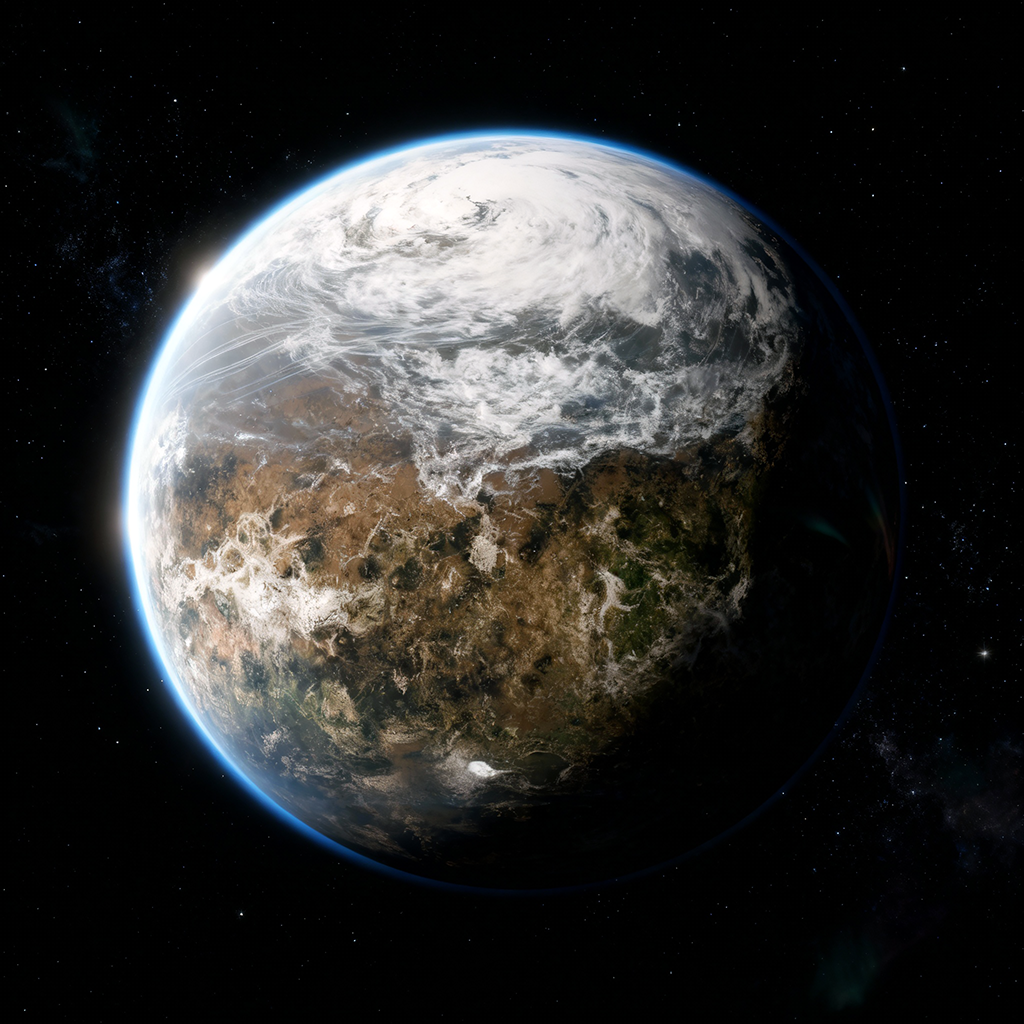
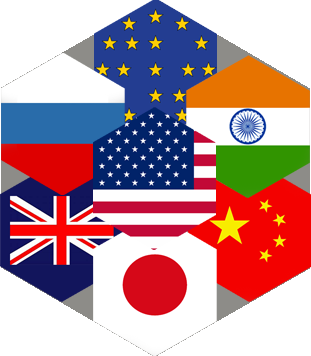
Venus is the triumph of planetary engineering — a world that was once hell and is now home. The planet that burned hotter than a furnace has been cooled, balanced, and reborn into one of the most lush and stable biospheres of the inner solar system. It is a monument to international cooperation under the United Nations Planetary Initiative and the prototype for all major terraforming projects that followed.
Geography and Environment
The terraformed Venus is an oceanic-continental hybrid world with a mild axial tilt and dense, oxygen-nitrogen atmosphere. Surface pressure now stabilizes at 1.1 atm, with average global temperatures around 295K (22°C). The great lowlands that once formed the planet’s infernal basins — such as Ishtar Terra and Aphrodite Planum — are now vast inland seas and equatorial forests. The floating mirror arrays of the Solar Veil modulate incoming radiation, reflecting 40% of sunlight to maintain equilibrium.
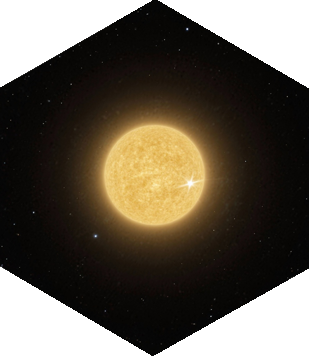
Volcanic plains remain geothermally active, feeding both the planet’s energy grid and nutrient-rich soils. The cloud cover, though thinner, still drapes the upper atmosphere in a luminous golden haze that gives the surface a perpetual sunrise hue. A planetary magnetic field, generated through superconductor core induction, shields Venus from solar winds, allowing stable biospheres to thrive.
Colonization and Terraforming
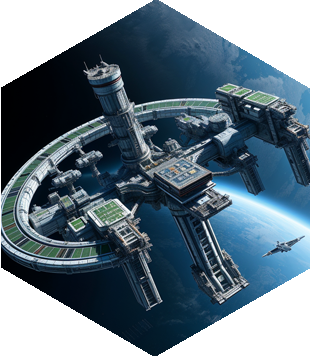
Venusian colonization began as an act of desperation — an attempt to reclaim a world once deemed lost. Early floating habitats, known as Cloud Havens, were built in the 2090s within the cooler strata of the upper atmosphere. These evolved into permanent orbital-surface link systems by the mid-22nd century, anchored by sky elevators and autonomous drone foundries that began constructing planetary cooling arrays.
The Venus Terraforming Accord of 2186 marked the turning point, establishing the International Venus Consortium under UN oversight. Over the next century, solar reflectors, microbial albedo seeds, and atmospheric scrubbers converted the planet’s carbon dioxide into oxygen, carbonates, and stable biomass. By the 2240s, the first open-air settlements were established on the shores of the Ishtar Sea, marking the official end of Venus’s toxic era.
Economy and Infrastructure
Modern Venus sustains over 200 million inhabitants and functions as the administrative capital of the inner solar system. Its economy is rooted in climate management, bioengineering, and high-atmosphere energy collection. Orbital rings known as the Aether Belts collect solar energy at unprecedented efficiency, powering Venus’s industries and exporting clean power throughout Sol. Beneath them, vast aerostat cities — Harmony, New Delphi, and Celadon — float above the equatorial seas, tethered by energy conduits and transit towers.
Venusian architecture embodies a balance of form and function: glass-coral composites, self-repairing bio-structures, and open-air plazas designed for 26-hour days. Transportation relies on wind-sail maglevs and low-gravity dirigibles, symbols of a society that rose, quite literally, from the clouds.
Culture and Society
Venusian society reveres harmony between nature, technology, and governance. The early generations of engineers and atmospheric workers developed a civic ethos built on sustainability and global citizenship. Art and architecture celebrate rebirth; music and theater commemorate the “First Rain,” the moment in 2224 when liquid water first touched Venusian soil. Venus’s population is the most ethnically and nationally diverse of the inner worlds, unified under the Solar Charter rather than any single nation.
Education, science, and philosophy flourish here. The Ishtar Academy serves as the diplomatic and academic heart of the Solar Union, hosting research into biospheric management, terraforming ethics, and interplanetary law. Venus is no longer simply a world — it is a philosophy: that life, given enough will, can reclaim even hell.
Conclusion
Venus stands as a luminous testament to cooperation, perseverance, and ingenuity. Once a symbol of impossibility, it is now a living paradise — the second jewel of humanity’s cradle, shining with the soft gold light of a world remade.