




Terra Secundus
Introduction
Terra Secundus, or “TerraSec,” is humanity’s first and most significant extrasolar colony. As the birthplace of interstellar colonization, it represents the dawn of the spacefaring era and the unification of Earth’s great powers under the banner of exploration. The discovery of the tunnel drive made this achievement possible, transforming interstellar travel from dream to reality.
The First Colonization
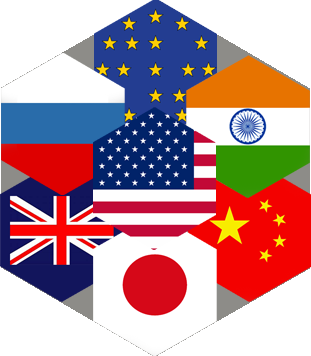
Established under the Extrasolar Charter of 2068, Terra Secundus was a joint project of the United States, China, the European Union, the Russian Federation, and major corporate entities such as Keo Terra Interstellar and Universium. Each founding power claimed half of the usable landmass, leaving the remainder open for future colonists. This balance ensured diverse development and shared governance, setting a precedent for future extrasolar expansion.
Over the following decades, additional nations—including India, Japan, Australia, and the Crescent League—joined the colonization effort, bringing their cultures and technologies. By the late 21st century, Terra Secundus had become a model of cooperation and progress, its cities blending architectural grandeur with planetary harmony.
Geography and Environment
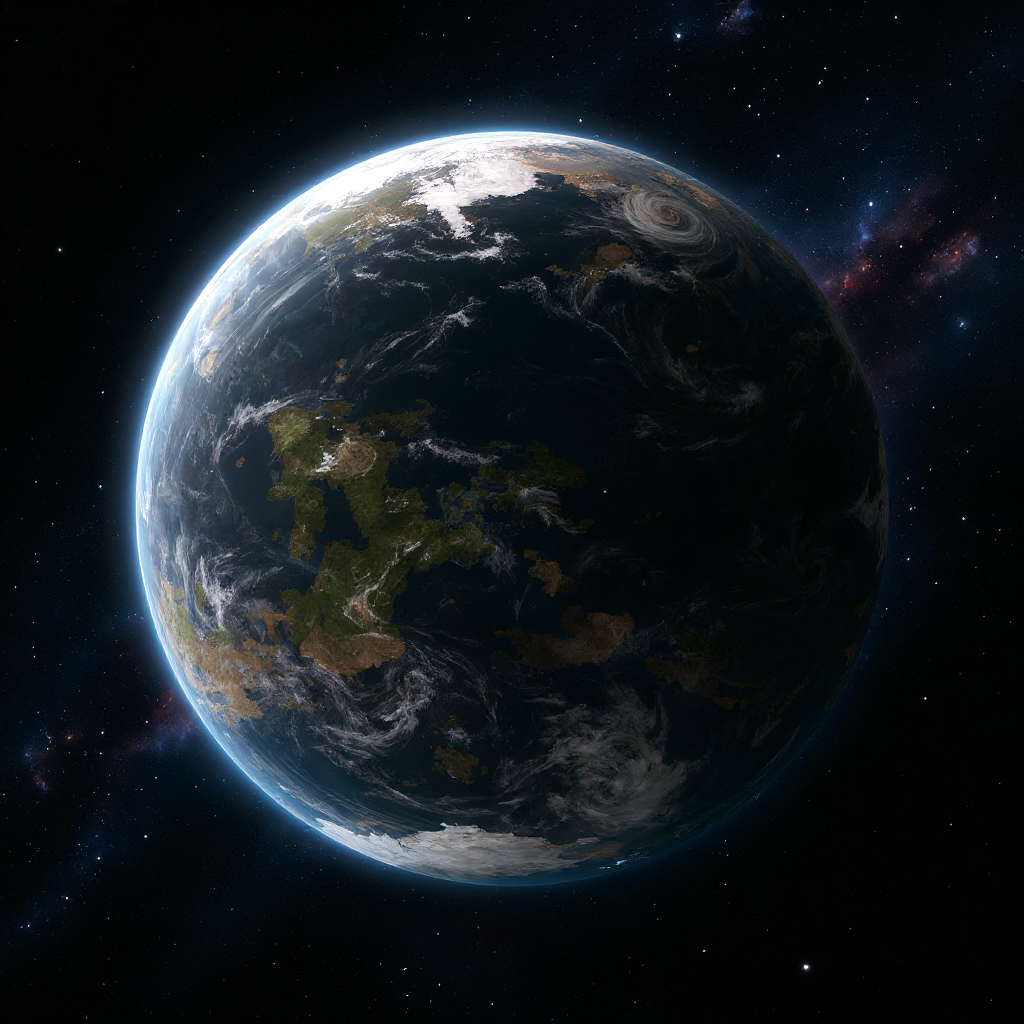
Often called a “garden world,” Terra Secundus mirrors Earth’s beauty while offering unique variations. With gravity at 0.84G and a mean temperature of 278K (5°C), it supports lush forests, vast oceans, and diverse life. Its atmosphere (0.86 atm) is comfortably breathable, and water covers 67.54% of the surface. Lower gravity allows flora and fauna to grow larger and more varied than their Earth counterparts, creating towering forests and immense animal species.
Economic and Strategic Importance
Terra Secundus serves as a cornerstone of Terran civilization, anchoring the Terran Triangle with Earth and New Atlantis. It functions as both a commercial hub and a military stronghold, its orbital stations facilitating interstellar trade, migration, and defense. Advanced industries in manufacturing, agriculture, and biotechnology underpin a robust Tier III–IV economy.
Military facilities orbiting Terra Secundus protect trade routes and project Terran power deep into colonized space. The planet’s infrastructure and economy make it indispensable to the stability of human civilization across the stars.
Population and Society
Home to over 1.7 billion inhabitants, Terra Secundus is a cosmopolitan world of interconnected cities, blending cultures from its founding nations. From New Alexandria’s academic halls to the industrial complexes of Baikonur Nova, every city reflects the diversity of its settlers. Cultural exchange and scientific innovation flourish, creating a world where Earth’s traditions and futuristic ideals coexist seamlessly.
Legacy and Future
As the first successful extrasolar colony, Terra Secundus remains a beacon of unity and progress. Its influence extends through governance models, terraforming technologies, and interstellar diplomacy. Positioned at the heart of the Terran Triangle, it continues to shape the course of humanity’s future—an enduring testament to the shared dreams that launched humankind among the stars.
Conclusion
Terra Secundus is more than a world—it is the foundation of humanity’s galactic destiny. As both symbol and stronghold, it stands as proof of what civilization can achieve through cooperation, ambition, and the relentless pursuit of discovery.