


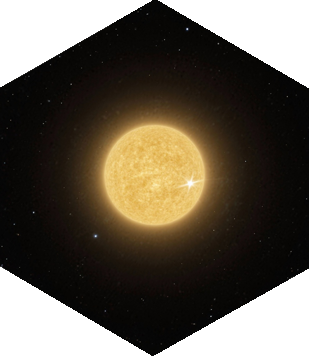

Terran Stellar Guide
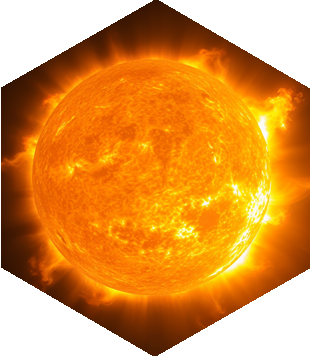
Sol
G2V yellow dwarf, ~4.6 billion years old. Birthplace of humanity and enduring political, economic, and cultural center of the Terran sphere.
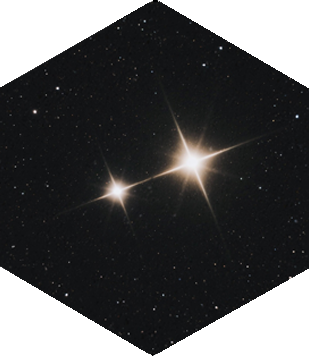
Alpha Centauri AB
Binary G2V/K1V pair ~4.37 light-years away. One of the most scientifically credible nearby colony targets, with long-term interest centered on potentially habitable terrestrial worlds around the primary pair.
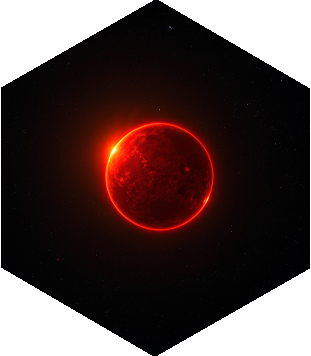
Proxima Centauri
M5.5V red dwarf ~4.24 light-years away. Scientifically important and close, but flare activity makes any naturally habitable colony world a harsh and highly managed environment.
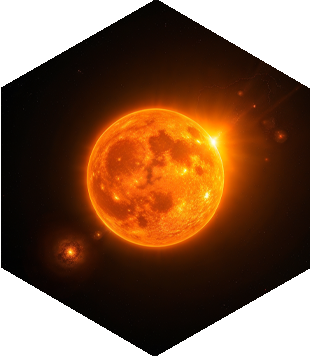
Epsilon Eridani
K2V orange dwarf ~10.5 light-years away. A strong nearby stellar candidate, though its youth, debris-rich architecture, and known giant planet make natural surface habitability more speculative than often assumed.
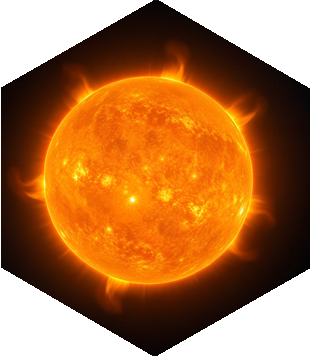
Epsilon Indi
K5V orange dwarf ~11.8 light-years away. A credible K-dwarf host system for colonization, though current real-world detections favor massive outer companions rather than a confirmed habitable terrestrial planet.
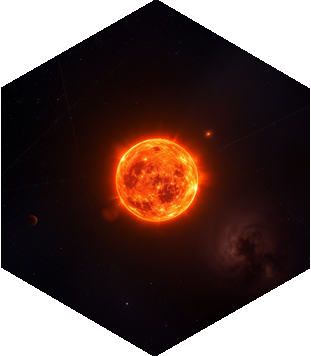
Struve 2398
M3V/M3.5V binary ~11.5 light-years away. A plausible frontier colony system, but any habitable world here would remain speculative and would likely require careful atmospheric and radiation management.
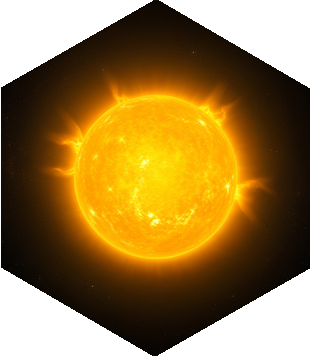
Tau Ceti
G8V yellow dwarf ~11.9 light-years away. One of the strongest Sun-like nearby colony candidates, with long-standing scientific interest in possible temperate super-Earth-class planets.
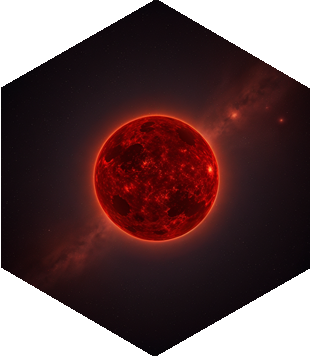
Gliese 880
M1.5V red dwarf ~22.4 light-years away. A legitimate nearby red dwarf, but current planet claims are weak and the system is better treated as a speculative colonial insertion than a known habitable-world host.
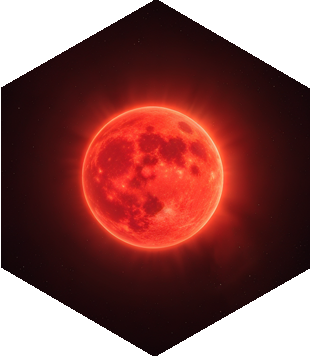
Gliese 602
K2V orange dwarf ~19.4 light-years away. The original Terran guide data are retained here for continuity, though the modern real-world cross-identification remains uncertain and should be treated as a legacy catalog holdover pending verification.
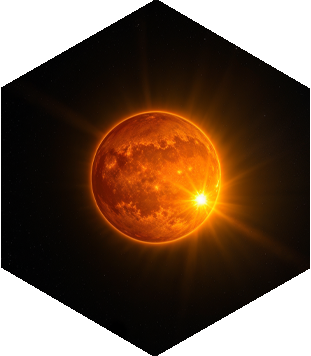
279 G. Sagittari B
K5V orange dwarf ~18 light-years away. The Terran guide’s original stellar data are preserved for page consistency, but the real-world catalog identity behind this legacy designation still requires confirmation.
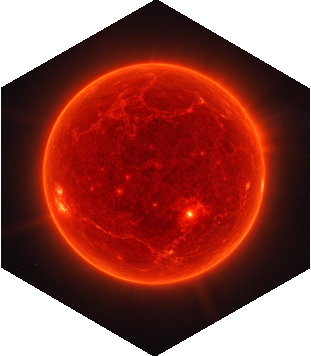
YZ Ceti (GJ 54.1)
M4.5V flare red dwarf ~12.1 light-years away. The system hosts small planets, but they orbit too close to the star to be strong natural-habitability candidates; colony survival here would favor engineered habitats over open biospheres.
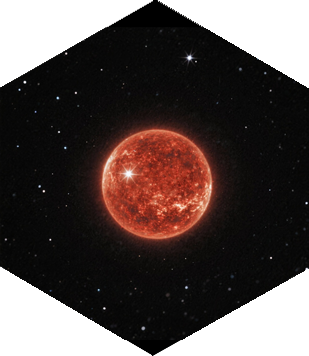
Gliese 876
M4V red dwarf ~15.3 light-years away. A real exoplanetary system, but its compact resonant architecture and giant-planet dominance make it a weak fit for a naturally habitable Terran colony world.

Gliese 701
M3V red dwarf ~20 light-years away. The legacy Terran reference is preserved to maintain continuity in the guide, while the exact modern catalog match remains unconfirmed.
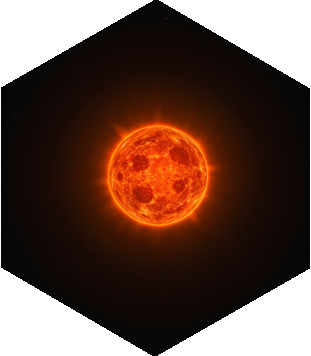
Gliese 674
M3V red dwarf ~14.8 light-years away. A known planet-bearing system, but its best-established planet is not a strong natural Earth analog, making subterranean or enclosed-colony concepts more realistic than open habitability.
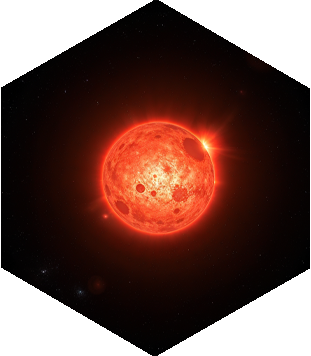
Gliese 687
M3V red dwarf ~15.5 light-years away. A nearby red dwarf with planet detections, but not a strong present-day candidate for a naturally habitable surface world.
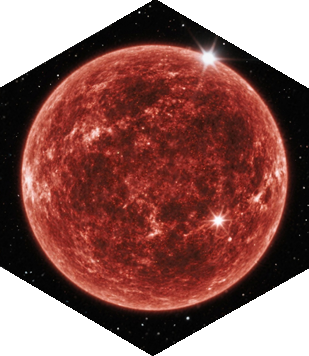
Ross 128
M4V red dwarf ~11.0 light-years away. One of the strongest nearby red-dwarf colony candidates, thanks to Ross 128 b, a confirmed temperate rocky world orbiting a comparatively quiet host star.
- Al-Qamar
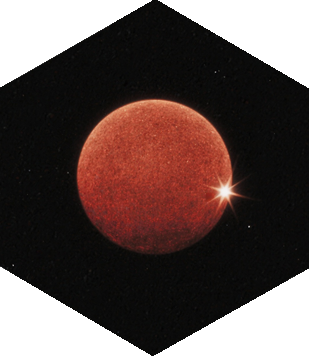
GJ 3323
M4V red dwarf ~17.5 light-years away. A plausible system for a managed colony, with confirmed super-Earth-class planets, though the case for true open-air habitability remains uncertain.
- Asagiri
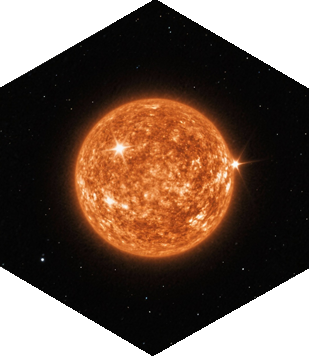
Gliese 231
K7V orange dwarf ~19 light-years away. The original Terran classification and distance are retained for consistency, but the underlying real-world star identification remains uncertain and should be treated as provisional.
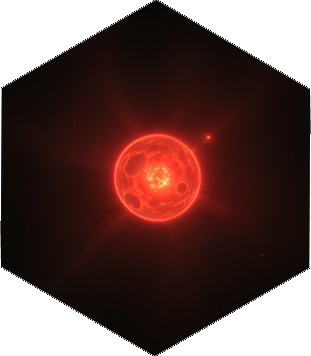
Luyten’s Star
M3.5V red dwarf ~12.4 light-years away. One of the better scientifically grounded nearby colony systems, owing to the presence of GJ 273 b, a confirmed super-Earth near the system’s temperate zone.
- Inca
- Umoja
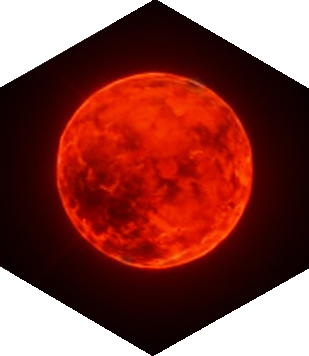
Kapteyn’s Star
sdM1 red subdwarf ~12.8 light-years away. Scientifically notable and ancient, but not a strong present-day choice for a naturally habitable colony world without substantial environmental engineering.
- Itzamna
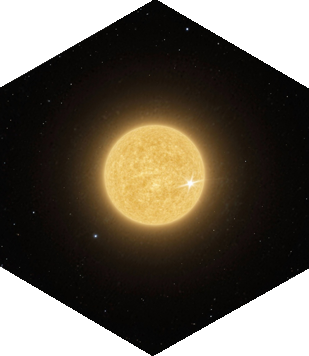
61 Cygni
Binary K5V/K7V orange-dwarf system ~11.4 light-years away. A scientifically credible nearby colony location, especially around 61 Cygni A, though no confirmed habitable planet has yet been found.
- Matsumoto
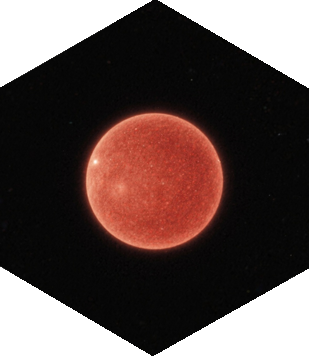
YZ Ceti
M4.5V flare red dwarf ~12.1 light-years away. This is the same real-world star as GJ 54.1; retained here only if canon requires a separate reference, though a single unified entry is scientifically cleaner.
- Modjadji
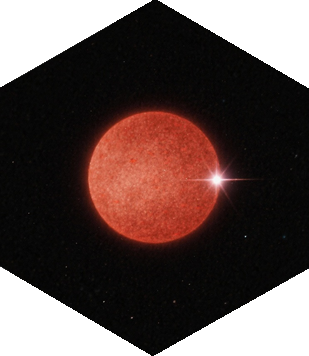
Wolf 1061
M3.5V red dwarf ~14.1 light-years away. A strong nearby candidate for a difficult but credible colony world, owing to the confirmed super-Earth Wolf 1061 c near the habitable zone.
- Raqiba
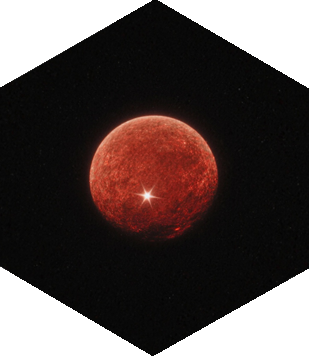
DX Cancri
M6V flare red dwarf ~11.8 light-years away. A very harsh stellar environment for any naturally habitable planet and best understood as a survival-colony or engineered-habitat system.
- Sucre